
Hand-Sorted
No machine can replace a trained eye
After harvesting, raw makhana arrives in large jute sacks — a mix of grades, sizes, and quality levels. This is where the real work begins.
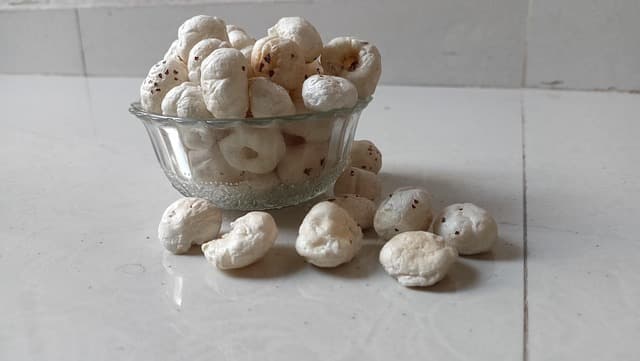
Experienced sorters sit with these sacks and go through each seed by hand. They're looking for size consistency, color uniformity, and structural integrity. A seed that's too small, discolored, cracked, or unevenly puffed gets set aside. Only the ones that pass every check move forward.
What gets rejected?
This sorting process means we reject 30-40% of what arrives. That's a lot of makhana we pay for but don't use. But it's the only way to guarantee that every single seed in your pack meets our standard.
We've been offered machine-sorting solutions — faster, cheaper, more efficient. But machines sort by size alone. Our sorters evaluate texture, color, weight, and structural quality simultaneously. There's no algorithm for the instinct that comes from years of handling these seeds.
Slow? Yes. Expensive? Absolutely. Worth it? Open a pack and you won't need to ask.
100%
Hand-Sorted
30-40%
Rejection Rate
5+
Quality Checks